Newer male K-pop groups are increasing the complexity of their choreography. UP10TION, who debuted in 2015, features 10 members. This large group is gaining popularity for their execution of complex dance moves with precision. Find out more with the Revised UP10TION Dance Collection exhibit!
Last Fans Standing: Longtime and Adult Fans of Korean Popular Music (K-pop)
This survey has been revised! Click here for new survey!!!
Most people assume that the only audience for modern Korean popular music (K-pop) is teenagers. As a result, they also assume that K-pop music lacks longevity. However, the presence of longtime fans suggests that K-pop remains appealing to some fans for years. The existence of adult fans challenges the notion that K-pop only appeals to teenagers. Both groups represent understudied demographics in studies of K-pop fandom. This project uses multiple case study and oral history to understand K-pop’s lasting appeal.
Multiple Case Study
This multiple case study seeks to understand why individuals remain K-pop fans for years and why adults find K-pop appealing. For three years, I will be asking questions about these atypical fans of K-pop. This survey contains several open-ended and multiple-choice questions that ask how fans see themselves and ask about their K-pop music preferences and fan activity.
Reading the ‘Korean Wave’ as a Sign of Global Shift
Cho Hae-Joang examines managine and newspaper articles using discourse analysis to reveal three distinct perspectives in relation to the Korean wave. . . . Read more at Public Circulation!
Not Just Pretty Faces: K-pop Idols and Quiet Storm Masculinity

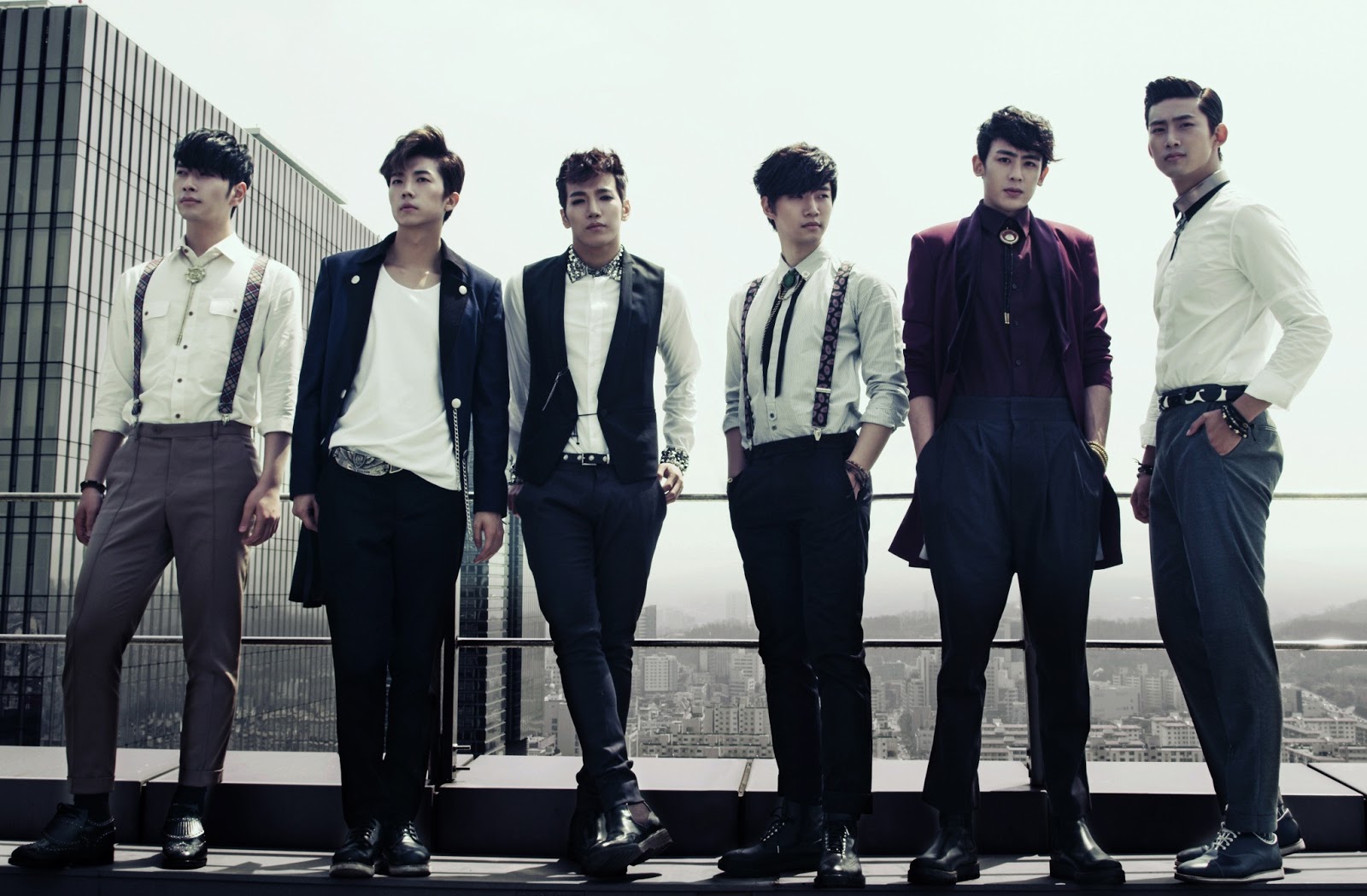
2PM, a six-member male group from JYP Entertainment, may be the model for K-pop’s beast-like masculinity, which primarily depends on appearance, but they also participate in the black male soul tradition, which uses vocal ability to inform a different kind of masculinity.
Continue reading “Not Just Pretty Faces: K-pop Idols and Quiet Storm Masculinity”
Digital Humanities for the Rest of Us
One Thing That All Humanities Scholars Can Do To Integrate The Digital Into Their Humanities
I recently gave a presentation at the Council on Undergraduate Research 2016 Biennial Conference on undergraduate research and digital humanities. The session was well-attended. Some the individuals who attended were not only interested in undergraduate research as a co-curricular activity, but also the unicorn that is digital humanities. I know many scholars in the humanities do not feel that they can participate in digital humanities. However, I think there is at least one thing that all humanities scholars can do to digital into their humanities.
iFans: We Are One! EXO::EXO-L

We Are One! EXO::EXO-L is the first fandom profile for my iFans project. Like the profiles to follow, it provides information on K-pop groups and their fandoms, including curated cover songs, cover dances and fan projects by fans. Click here to check it out!
K-pop Essentials: Shinhwa

The ‘Essentials” series is part of my digital humanities project, KPopCulture, which curates the music, visual culture, choreography, promotions, media and fan culture of K-pop that support this global cultural production. “Essentials” items tell you about a group through playlists of key music videos, performances, choreography and promotional videos. It also offers a bibliography of articles, music reviews and videos. The first ‘Essentials’ item is, fittingly, on Shinhwa, the longest-running K-pop group with its original members. Click here and enjoy!
TALK: The Influence of African American Culture on K-pop @ California State University, Dominguez Hills, 2/17/2016
“Conflicting Desires: K-pop Idol Girl Groups Flows in Japan in the Era of Web 2.0,” Sun Jung and Yukie Hirata
Sun Jung and Yukie Hirata use the experience of the female K-pop group Girls’ Generation (SNSD) in Japan as a case study to examine how K-pop represents a different kind of transcultural flows and consumption. . . Read more at Public Circulation!
“Playing the Race and Sexuality Cards in the Transnational Pop Game: Korean Music Videos for the US Market,” Eun-Young Jung
Eun-Young Jung examines how the visuals of Korean music videos by BoA, Wonder Girls and Rain play on “racialized notions of sexuality” and “sexualized notions of racial identity.” . . . . Read more at Public Circulation!


![AndersonFlyer[2]](https://csaphd.com/wp-content/uploads/2016/02/andersonflyer2.png?w=525)